The 2026 Circularity Guide: How to Get Paid for Your Old Luxury Clothes
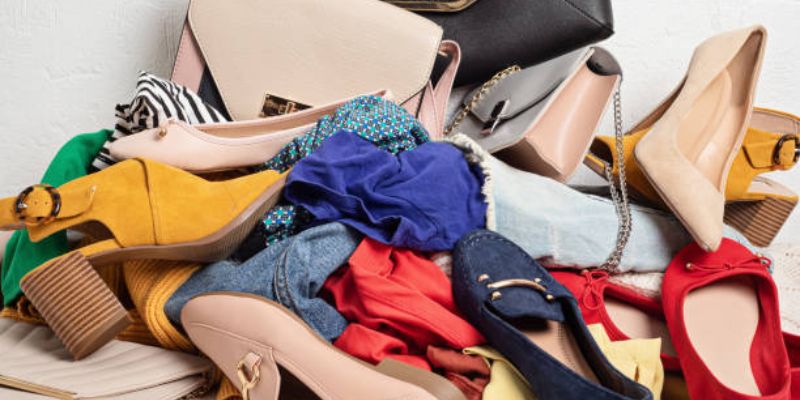
A lot of expensive clothing sits untouched for the same reason. It still looks good, but it no longer fits your life. The bag you bought for a wedding season, the coat that felt right two winters ago, the heels you wore twice and kept “just in case.” None of it is useless. It is just idle.
That is where resale becomes practical. Not as a vague idea about circular fashion, but as a way to turn a quiet section of your wardrobe back into money.
The part that trips people up is not whether resale works. It does. The real question is what is actually worth listing, where it should go, and how to price it so it either sells fast or sells well. A Chanel Classic Flap is not handled the same way as a Prada seasonal pump, and a Hermès scarf is not priced the same way as a wool coat from a lesser-known label. The stronger your judgment at the start, the better your result at the end.
Evaluate Your Closet First
Before you think about platforms or pricing, you need to sort your wardrobe properly. This is where most people waste time. They try to sell too much, including pieces that were never likely to move.
Start With Brand, Category, And Condition
High resale value happens when:
- The brand is famous.
- The item is useful.
- The condition is great.
If one part is weak, the price drops. A luxury bag in top shape always sells well. A worn, trendy dress does not. Demand is highest for big names that people still want [1].
Which Brands Usually Perform Best
Not every luxury label behaves the same way on the secondary market. Some names hold attention year after year because buyers know exactly what they are getting.
Brands that usually resell well include:
- Chanel
- Hermès
- Louis Vuitton
- Rolex
- Dior
- Prada, though more selectively than the names above
That said, brand alone is not enough. Buyers are not searching for “any Chanel” or “any Prada.” They are usually searching for the pieces that have stayed relevant over time [2].
Classic Pieces Usually Beat Seasonal Pieces
This is a major resale rule that people often ignore. A classic item keeps its value because it never looks old. Buyers know these pieces well, so they are easier to price and sell than short-lived trends.
Chanel: The Classic Flap and Boy Bag beat seasonal designs.
Hermès: Birkin and Kelly bags have much higher demand.
Louis Vuitton: The Speedy and Neverfull are very reliable.
Rolex: The Submariner and Datejust attract steady buyers.
Dior: The Saddle and Lady Dior hold value well.
Prada: Re-Edition bags sell better than their trendy shoes.
If a brand has sold it for decades, it is a safe bet for you to make right now.
What Categories Are Strongest
In practice, resale tends to work best in this order:
- handbags and small leather goods
- watches and fine accessories
- outerwear, especially coats and jackets
- jewelry and scarves from strong houses
- shoes, if lightly worn
- ready-to-wear clothing
A well-kept bag priced at $2,400 can still sell. A used cotton blouse originally priced at $600 may struggle to get $120 unless it is from a highly sought-after line.
What Is Usually Not Worth Selling
This is the edit stage, and it matters.
Usually weak resale candidates include:
- heavily worn shoes
- stretched knitwear
- synthetic-heavy garments showing surface wear
- past-season trend items with obvious date markers
- lower-end diffusion lines that felt expensive at retail but never built strong resale demand
If you would hesitate to give it to a friend because it looks tired, it will not improve in listing photos.
Pricing Strategies That Actually Work
Pricing is where sellers either lose time or lose money. There is no perfect formula, but there are two very clear approaches: price to move, or price to wait.
Start With Live Market Checks
Before listing anything, look at three things:
- current listings for the same item
- sold listings, if the platform shows them
- condition differences between yours and theirs
If five similar bags are listed at $1,900 and sitting unsold, pricing yours at $2,050 will not magically make it special. If yours is cleaner and includes dust bag, box, and receipt, you may be able to push slightly above the middle. If yours has corner wear, you need to be honest about that from the start [3].
Fast Sale Vs Maximum Value
Here is a practical pricing guide:
| Goal |
How to Price |
What It Looks Like in Practice |
| Sell fast |
15% to 25% below strong comparable listings |
A Louis Vuitton Neverfull with visible use listed at $850 instead of $1,050 |
| Balanced approach |
In line with the market average |
A Lady Dior in very good condition listed around the same price as similar sold items |
| Maximize value |
Slightly above average, with room for offers |
A Chanel Classic Flap with full set, pristine corners, and recent authentication listed 5% to 10% above market |
Real Pricing Examples
These are the kinds of decisions sellers actually make:
A Louis Vuitton Speedy 30 originally bought for around $1,550 to $1,700 may resell around $700 to $1,150, depending on age, canvas condition, and inclusions.
A Chanel Classic Flap bought at retail for well over $10,000 can still command a strong resale price if the leather, chain, and corners are clean. On some markets, conditions can swing value by $1,500 or more.
A Hermès scarf bought for around $500 to $700 may resell in the $250 to $450 range if it is a desirable print with no pulls or stains.
A Prada nylon Re-Edition bag bought in the $1,500 to $2,000 range may sell around $850 to $1,300, depending on color, demand, and condition.
A wool designer coat originally priced at $1,200 may only get $250 to $500 unless it is from a label with unusually strong ready-to-wear demand.
That difference is why bags and watches tend to outperform coats and shoes. Their resale logic is stronger and easier for buyers to trust.
Where to Sell: Platform Comparison, Pros, Cons, and Process
Once you know what you have and what it is worth, the next question is where it belongs.
Direct Marketplaces
Platforms like eBay, Vestiaire Collective, and Grailed usually give you the most control.
Best for:
- sellers who want higher payout
- strong brand-name items
- people comfortable handling messages and offers
Pros:
- lower commission than full consignment
- more pricing control
- room to test the market
Cons:
- you handle photos, measurements, condition notes, and buyer questions
- more room for low offers and time-wasting
This works well for items like a Louis Vuitton bag, a designer coat, or a pair of lightly worn shoes where good photos can do a lot of the selling.
Full-Service Consignment
Services like The RealReal and Fashionphile appeal to people who want less work.
Best for:
- higher-value bags and accessories
- sellers who want convenience over maximum payout
- people listing only a few pieces
Pros:
- professional photography
- authentication
- shipping handled for you
- easier process overall
Cons:
- commissions can be high
- you usually lose control over final pricing adjustments
For a bag likely to sell above $1,500, many sellers accept the commission because it saves time and gives buyers more confidence.
Local Consignment Boutiques
These are worth considering for outerwear, shoes, and recognizable brands in strong condition.
Best for:
- people who want fast turnover
- items that benefit from in-person inspection
- sellers who do not want packaging and shipping hassles
The drawback is real. A local shop cannot match the buyer pool of a large online platform.
How to Increase Value Before Listing
A lot of resale value comes down to presentation. Two identical pieces can perform very differently depending on how they look in photos. One feels clean and looked after, the other feels worn and a bit uncertain. Most people will lean toward the one who looks easier to trust.
1. Cleaning usually gives the quickest return.
A leather bag with wiped corners and slightly polished hardware already looks more reassuring. A wool coat that's been steamed and de-linted can pass as much newer at a glance.
Shoes are similar. Once the soles are cleaned and the uppers brushed, they tend to come across much better in photos. These aren't big changes, but they shift how the item is read. Basic prep like dry cleaning or light leather care costs something, but it often pays back in a stronger asking price.
2. Repairs help in the same quiet way.
Small flaws are often what make a buyer hesitate. A loose hem, a missing button, or a slightly dirty lining can make an item feel unfinished.
Fixing those takes little effort but makes the piece feel complete again. Even minor things like removing pilling or tidying up hardware can make a difference once it's listed.
3. You don't need to go too far with it.
Unless the item is high value, simple cleaning and a few small fixes are usually enough to make it easier to sell and worth a bit more.
When to Sell: Timing and Seasonality
Timing does not matter equally for every category, but it absolutely matters.
Seasonal Timing
- Coats and boots move better in the fall and winter
- Light dresses and linen pieces move better in spring and early summer
- Partywear and giftable luxury items can gain momentum before the holidays
- Designer bags and watches are less seasonal, but still benefit from strong shopping periods
A wool coat listed in July may still sell, but usually slower and often for less than the exact same coat listed in October [5].
Timing Around Trends
For seasonal bags, shoes, and trend-driven ready-to-wear, earlier is usually better. The longer you wait, the more the market moves on.
For classic pieces, timing is less urgent. A Chanel Classic Flap or Rolex Datejust has a longer selling window because the demand does not rely on current-season fashion momentum.
Fast Cash vs Maximizing Value
This choice changes everything. Sell fast for quick cash or wait for the best price. Go fast if you want items gone or need money now. Set a low price on big sites. Choose max value for rare luxury goods in top shape. Be ready to wait and talk. Treat a luxury bag differently from a basic coat. Buying better and selling well makes your closet pay for itself today.
References
[1] ThredUp, Resale Report
https://www.thredup.com/resale
[2] United Nations Environment Programme, Putting the brakes on fast fashion
https://www.unep.org/news-and-stories/story/putting-brakes-fast-fashion
[3] Ellen MacArthur Foundation, Fashion and circular economy overview
https://ellenmacarthurfoundation.org/topics/fashion/overview
[4] The RealReal, Luxury Consignment
https://www.therealreal.com/
[5] Fashionphile, Luxury Resale
https://www.fashionphile.com/
Related Posts
How to Style Off-Shoulder Tops Outfit Ideas for Women’s Casual and Chic Looks
Pack Light, Leave a Lighter Footprint: The Best Sustainable Luggage
Best Eco-Friendly Beach Bags for Summer(That Are Actually Worth Buying)
How To Repair Your Luxury Boots For Under $30 Instead Of Buying New
How to Build a Stylish Capsule Wardrobe With Only Sustainable Pieces