Textile Recycling: What’s Recyclable, Where To Take It, And What Happens Next
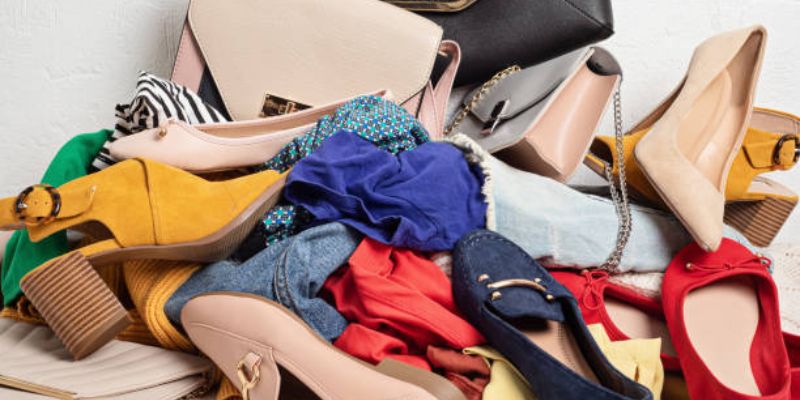
Most people fill a bag with old clothes, put it in the car, and leave it there for weeks. The real problem is not wanting to let go; it is not knowing where the clothes belong. The options are confusing. Some bins want only good items, while others take old towels.
Some stores charge fees, and some are free. You do not need a theory. You need a plan for the pile on your floor. This guide covers exactly where to go and how to pack. Get it done.
Start Here: Sort the Pile Before You Leave the House
Sorting before you leave home makes recycling work much better. One mixed bag slows things down, while three piles make it easy.
Pile 1: Still Wearable
If someone can wear it tomorrow, do not shred it. Resale or donation is best for:
- Clean coats and jeans.
- Shirts without stains.
- Outgrown children's clothes.
- Sturdy shoes. Keeping clothes in use saves more value than recycling the fibers [1].
Pile 2: Worn Out, But Clean
These are best for recycling programs:
- T-shirts with holes and single socks.
- Stretched leggings.
- Old towels and bedding. These become rags, insulation, or new fiber [2].
Pile 3: Do Not Include
Some items ruin a whole bag:
- Fabric with oil, paint, or mold.
- Damp clothes.
- Items with chemical smells. One wet item spoils the rest. Clean and dry is the main rule today.
Where To Take Your Clothes First
Once you have sorted the pile, the next question is where each category belongs. The best route depends on condition, convenience, and how much effort you want to put in.
Option 1: Sell or Donate Wearable Pieces
If the clothing still looks good, start here.
Resale platforms
For better brands, resale makes sense. You recover some money, and the item stays in circulation longer.
Works best for:
- coats and jackets
- denim
- leather boots
- premium knitwear
- children’s outerwear in good condition
Cost:
- usually free to list on peer-to-peer apps
- consignment shops may take 30% to 50% commission
This is slower than a drop-off bin, but better for higher-value pieces.
Local donation shops
For ordinary, wearable clothing, charity shops and community organizations are still useful.
Best for:
- everyday shirts
- jeans
- children’s clothes
- simple jackets
- bags in usable shape
Cost:
- free
The key is honesty. If the item is too stained or too worn for you to give a friend, it is probably not a donation item. Send that to a textile recycling program instead.
Option 2: Brand In-Store Take-Back Programs
This is the route many people prefer because it fits into normal errands. You drop off old clothing while you are already at the store.
The important part is knowing that not all brand programs do the same thing.
H&M garment collection
H&M is one of the most widely known names in clothing take-back.
What it usually accepts:
- clothing from any brand
- home textiles in many cases
- worn items, not just donation-quality pieces
What usually happens next:
- reusable items may be sorted for secondhand channels
- damaged textiles may be directed to reuse or recycling streams
Typical cost:
- free
Useful note:
- participation varies by store, so check your local branch before bringing a large bag
Madewell denim recycling
Madewell is mostly known for denim take-back.
Best for:
- old jeans
- worn denim in non-donation condition
What usually happens next:
- denim may be redirected into insulation-related recovery programs or similar reuse streams
Typical cost:
- free
Useful note:
- this is much more useful if your pile is mostly jeans, rather than mixed household textiles
Patagonia Worn Wear and take-back routes
Patagonia’s model is more selective and is built around repair, reuse, and resale.
Best for:
- Patagonia items in usable condition
- gear that may still be repaired or resold
Typical cost:
- free for many in-store take-back scenarios
- repairs may involve service costs depending on the issue
Useful note:
- this is not the best place for a mixed bag of random old clothing
- it works best if the items are Patagonia and still worth extending through repair or resale
What to know before using in-store programs
Before you go:
- check whether the store participates
- check if they accept all brands or only their own
- make sure items are dry
- tie shoes together
- do not overstuff one huge bag if you can split it into two smaller ones
In-store drop-off is usually the easiest free option, but it is not always the most transparent. If you care about exactly where the materials go, mail-in services sometimes explain the process more clearly.
Option 3: Mail-In Textile Recycling Services
Mail-in services are useful when local options are weak, unclear, or inconvenient. They cost more, but they are straightforward.
Retold Recycling
Retold is one of the better-known textile mail-back options.
How it works:
- Buy a recycling bag online
- Fill it with accepted textiles
- Seal it
- Send it back through the mail
What it accepts:
- clothing
- socks
- towels
- sheets
- worn household textiles
Typical price:
- about $15 to $20 for a standard bag, depending on promotions and bag size
Best for:
- mixed home textile cleanouts
- people without local drop-off access
- worn items not good enough to donate
Limitations:
- items still need to be clean and dry
- the bag size limits how much you can send in one go
Packing tip for Retold or similar services
Do not throw loose, damp laundry into the bag and tape it shut. Fold or roll pieces tightly. That helps you fit more in and keeps the bag cleaner.
A practical packing order:
- soft items like T-shirts and leggings at the bottom
- towels and denim in the middle
- lighter pieces tucked into side gaps
- shoes only if the service clearly accepts them
TerraCycle textile-related boxes
TerraCycle is better known for handling hard-to-recycle categories, and its boxes tend to cost more.
How it works:
- Buy a branded collection box
- Fill it with accepted materials
- Ship it back using the included process
Typical price:
- often $100 or more, depending on the size and waste stream
Best for:
- larger volumes
- specialty cleanup situations
- people who are handling more than just a small wardrobe clear-out
Limitations:
- too expensive for most ordinary closet cleanouts
- best used when simpler local or brand options are not enough
For most people, TerraCycle is not the first stop. It is more of a specialty option than an everyday one.
How To Pack Clothes Properly So They Are Actually Processed Smoothly
Badly packed bags cause sorting issues and waste.
Keep items dry: Damp clothes grow mildew quickly during transit.
Empty pockets: Remove tissues, coins, and trash to prevent damage.
Prep shoes: Tie pairs together and bag dirty soles separately.
Label everything: Clearly mark bags for donation, recycling, or sale.
Doing this prevents dropping the wrong bag at the wrong location and ensures safety today for all items.
What Happens After You Drop Clothes Off
This is the part people rarely see, and it explains why preparation matters.
Once your textiles enter the system, they are usually sorted by:
- wearability
- fabric type
- contamination level
- ease of recovery
From there, they may move into one of several streams:
- secondhand resale
- industrial wiping cloths
- insulation or padding
- fiber recovery
- disposal if the load is too contaminated
That is why a clean, sorted bag has a better chance of being processed well than a random pile of dirty mixed material.
What Textile Recycling Will Not Fix
Textile recycling helps, but it is not a magic answer. Recycled fibers can be weaker than virgin ones, and blended fabrics are still difficult to separate at scale [3]. Synthetic textiles also continue to shed microfibers during washing, even if they were made with recycled content [4].
That is why the smartest approach still looks like this:
- buy less
- keep clothes longer
- repair what you can
- donate or resell what is still wearable
- recycle what is truly worn out
If you skip straight to the last step every time, you miss the bigger value.
Practical Example: What a Real Closet Clean-Out Might Cost
Let’s say you are clearing out one closet and end up with:
- 4 wearable shirts
- 2 pairs of decent jeans
- 3 worn-out T-shirts
- 2 old towels
- 5 single socks
- 1 coat with heavy wear
A practical route might look like this:
- donate or resell the shirts and jeans: $0
- send the worn-out T-shirts, towels, socks, and coat through a mail-in bag: $15 to $20
- total out-of-pocket cost: under $20
That is far more manageable than people expect, especially once the sorting is done properly.
The Easiest Way To Make This Less Stressful Next Time
The real trick is not becoming an expert in textile systems. It is avoiding a huge mixed pile in the first place.
A few habits help:
- keep one bag at home for worn-out textiles only [5]
- do not mix donation pieces with true recycling pieces
- wash and dry items before storing them for drop-off
- use local brand programs for convenience, mail-in services for harder cleanouts
Once you stop treating every unwanted item as the same kind of problem, the process gets easier.
A More Useful Way To Handle Clothing Waste
Textile recycling works best when it is treated as the final step, not the default one. Wearable clothes should be reused first. Truly worn-out ones should go to a proper textile route, not a random donation bin and not the regular trash unless they are contaminated.
That is the practical version most people need. Sort the pile honestly, choose the right route, pack it properly, and send it where it has the best chance of being used well. That alone makes the system work better.
References
[1] Global Fashion Agenda, Pulse of the Fashion Industry
https://globalfashionagenda.org/publications-and-policy/pulse-of-the-fashion-industry/
[2] United Nations Environment Programme, Putting the brakes on fast fashion
https://www.unep.org/news-and-stories/story/putting-brakes-fast-fashion
[3] MDPI Sustainability, Mechanical and chemical recycling of textiles
https://www.mdpi.com/2071-1050/17/10/4411
[4] Earth911, How to recycle clothing and accessories
https://earth911.com/recycling-guide/how-to-recycle-clothing-accessories/
[5] Ellen MacArthur Foundation, Fashion and circular economy overview
https://ellenmacarthurfoundation.org/topics/fashion/overview
Related Posts

Outfits for Christmas Party Casual A Practical Guide to Dressing Festively Without Overdoing It
What Truly Makes Jeans Sustainable? A Guide to Conscious Denim
Best Eco-Friendly Beach Bags for Summer(That Are Actually Worth Buying)

Best Sustainable Winter Jackets For Warmth And Everyday Wear
How to Tell If a Fashion Brand Is Truly Sustainable or Just Greenwashing