Digital Fashion: How Virtual Clothes Can Cut Waste
Most people only see the final step of fashion. A finished jacket, a clean product page, a model wearing something new. What usually stays hidden is everything that came before that moment.
Before a piece reaches the store, it may have gone through several versions. Different fits, fabrics, colors, and adjustments. Each version often exists as a physical sample that gets shipped, reviewed, changed, and then set aside.
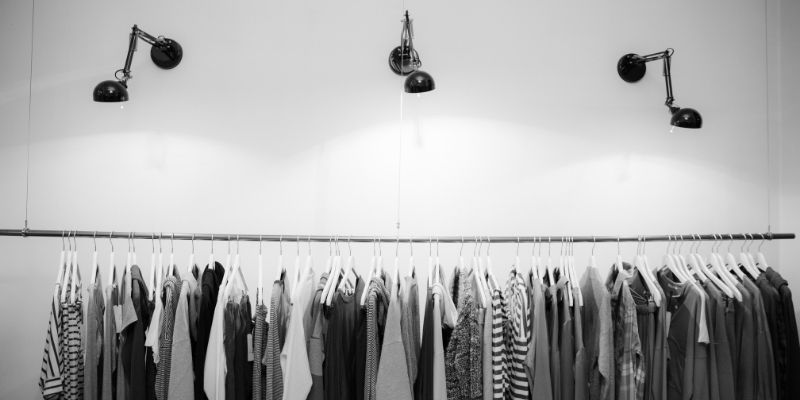
That early stage is where a lot of waste builds up. Digital fashion is starting to change that, not by replacing clothing, but by cutting down the steps that create unnecessary waste before production even begins.
Where Waste Really Starts
When you think about clothing waste, you probably picture piles of old shirts in a landfill or unsold stock sitting in a bargain bin [6]. These are very real problems, but the waste actually starts much earlier in the life of a garment. It begins during the design and testing phases long before a shirt ever hits the store shelf.
The Sampling Process: Every new design must go through several rounds of testing before it is ready for the public. A brand might make many different samples just to get the fit and the look exactly right.
Resource Use: Each round of sampling uses up a lot of fabric, manual labor, and shipping. This takes a massive amount of time and resources that most shoppers never see.
The Final Destination: Most of these early samples never reach a customer. They are often just thrown in the trash or packed away in a warehouse once the final version is chosen.
Industry Impact: Across the whole fashion industry, the amount of textile waste is very high. Estimates show that a massive share of clothing is discarded every single year [1].
Development waste is only one small part of the whole problem, but it adds up quietly behind the scenes. It is a hidden cost of making the clothes we wear today.
How Digital Design Changes the Process
Digital tools allow designers to build clothing on screen before anything is cut or sewn.
Instead of making three or four physical samples to adjust a sleeve or fix the fit, those changes can be tested digitally. Fabric behavior, drape, and movement can be simulated with reasonable accuracy.
What This Replaces in Practice
In a traditional setup:
- a sample is made
- shipped to another team
- reviewed
- adjusted
- remade
That cycle can repeat several times.
With digital prototyping, many of those steps happen without producing a physical garment. Some brands report reducing sample production by around 25 to 33 percent when using these tools [3].
That means fewer unused garments, less shipping, and less material waste.
Why Brands Actually Use It
This change does more than just cut down on trash. It saves a lot of time too. Workers can check new designs faster and fix mistakes right away. Moving to the factory without delays helps everyone. When a plan is both fast and saves waste, it usually stays for good.
Online Shopping and the Return Problem
Another area where waste builds up is returns.
Buying clothes online is convenient, but sizing and fit are still uncertain. Many people order multiple sizes or return items that don’t feel right.
Each return means more transport, more packaging, and extra handling. Some items go back on sale, but others don’t.
Where Virtual Try-On Helps
Virtual try-on tools aim to reduce that guesswork.
They give a rough idea of how a garment might sit on your body, either through size prediction or visual overlays. It’s not perfect, but it helps people make better choices before ordering.
Fewer mistakes at this stage mean fewer returns, which cuts down part of the waste linked to online shopping [4].
Digital Clothing That Exists Only Online
There is also a smaller but growing category where clothing never becomes physical at all.
These are digital-only outfits used in photos, videos, or online spaces.
At first glance, this seems like a niche idea. But it connects to a real habit. People often buy clothes for a single event or a photo and rarely wear them again.
Why This Matters
If part of that demand shifts to digital formats, even slightly, it reduces the number of physical items produced for short-term use.
This won’t replace everyday clothing, but it can reduce some of the pressure for constant new purchases.
The Digital Side Has Costs Too
Digital fashion is not free of impact. It just operates differently.
Energy and Data
Design software, rendering tools, and storage systems all use electricity. Data centers need cooling, and high-resolution design work requires strong hardware [2].
Devices and Waste
The devices used to create and view digital fashion also have a lifespan. Phones, laptops, and servers eventually become waste themselves.
The difference is scale. Compared to large-scale textile production, dyeing, and shipping, the digital footprint is smaller, but it still exists.
What This Means When You Shop
Most people won’t interact directly with digital fashion tools, but they will see the effects.
Signs a Brand Is Using Better Systems
You might notice:
- mention of 3D design or virtual sampling
- virtual try-on options on product pages
- QR codes linking to product details
- clearer information about materials and sourcing
These are small signals, but they show that a brand is not relying entirely on older production methods.

Digital Product Passports
One of the more useful developments today is called a digital product passport. While the name might sound complex, the idea is quite simple and grounded in the real world.
Think of it as a permanent, digital tag that stays tied with your clothes long after you have snipped off the paper price tag. This record holds the entire life story of a single shirt or any pair of pants so you do not ever have to guess about where your clothing came from or what it is truly made of.
- Trace the Origins: You can see exactly which factory made the garment. This helps you avoid brands that hide their work behind vague walls.
- Know the Materials: The passport lists every fiber used. You will know if you are buying real wool or a cheap plastic blend that will pill.
- Repair and Care: It provides clear instructions on how to fix a loose button or a ripped seam so the item stays in your closet.
- Resale Value: When you are done with the piece, the record proves it is authentic and helps the next owner care for it.
This tool puts power back into your hands right now as a customer. It makes it much harder for big fashion companies to lie about being green or sustainable right now.
For shoppers, this makes things more transparent. It also makes resale easier, since buyers can verify what they are getting.
Studies on consumer behavior suggest that many people are willing to pay more for items that come with clear, traceable information [5].
Better Decisions Without Overcomplicating It
You do not need to chase after every new fashion trend to benefit from how the industry is changing today. Ignore loud marketing and use a few simple checks to see if a brand is actually worth your money. This helps you build a closet that you actually like and that stays in good shape for a long time.
Brand Explanation
Does the brand tell you exactly how they made the item? Look for a clear story about the factory and the design steps. If they hide these details behind vague words, they might be hiding poor quality that you want to avoid [7].
Preview the Fit Before Buying
Can you see how the clothes look on a real person before you spend your cash? A good brand provides clear size guides or photos of different body types. This stops you from buying something that will not fit and saves you a trip to the post office.
Clear Information About Materials
Check the tag for every fabric used. You want to see names of natural fibers like cotton or wool rather than terms like "soft blend" which often hide cheap plastic fibers that fall apart fast.
Built to Last for Years
Look at the seams and the fabric weight. Does the item feel like it was made to be worn for a long time, or is it thin and ready to be replaced? Choosing tough clothes is always the better path today.
A Smarter Direction for Everyday Clothing
Clothing will always be physical. People still need something to wear to work, outside, and in daily life.
What can change is how much waste happens before that clothing reaches you.
Digital tools help cut down the unnecessary parts of the process. They remove extra steps, reduce guesswork, and make production more precise.
That shift may not be obvious when you open your wardrobe, but it shapes what ends up there in the first place.
References
[1] Earth.Org, Fast Fashion and Its Environmental Impact
https://earth.org/fast-fashions-detrimental-effect-on-the-environment/
[2] Florence University Press, Sustainability, transparency, and the hidden materialities of digital fashion
https://riviste.fupress.net/index.php/fh/announcement/view/90
[3] MedCrave Journal, Advancing sustainable fashion through 3D virtual design
https://medcraveonline.com/JTEFT/JTEFT-11-00415.pdf
[4] PwC Strategy&, Fashion Retail Outlook
https://www.strategyand.pwc.com/de/en/industries/consumer-markets/fashion-retail-outlook.html
[5] Capgemini, Consumer Trends Report
https://www.capgemini.com/wp-content/uploads/2026/01/Final-Web-Version-Report-Consumer-Trends-2026.pdf
[6] ENEA, Guidelines on sustainability and Digital Product Passport preparation
https://www.media.enea.it/en/press-releases-and-news/years-archive/year-2026/industry-fashion-sector-online-guidelines-on-sustainability.html
[7] McKinsey & Company, The State of Fashion
https://www.mckinsey.com/industries/retail/our-insights/the-fashion-industry-faces-a-world-in-flux
Related Posts

Effortless Style A Comprehensive Guide to Casual Outfits for Women

Casual Interview Outfits A Practical Guide to Dressing Confidently for Modern Job Interviews
How Textile Recycling Works: Methods, Benefits, And Innovations
15 Sustainable Clothing Brands That Actually Care About the Planet
Why “Brut” Unwashed Denim Is the Secret to a Lifetime Pair of Jeans